

SCIENCE
IN PLAIN ENGLISH
We collect the latest data from scientists who study the impacts of prenatal substance exposure. Below you will find easy to read explanations, along with links to the published articles.
Search Topics Below:
NOTE: We recognize that for some women, using methadone or buprenorphine during pregnancy may be the best option for managing opioid use disorder. At the same time, we acknowledge that exposing a fetus to any opioid, including methadone and buprenorphine, carries risks. The information presented on this website is intended to provide insight and does not seek to support or discourage the use of medications for opioid use disorder (MOUD). Our goal is to empower individuals with knowledge so they can make informed decisions in consultation with their healthcare providers.

Experiences Across Two Generations: What Research Teaches Us About Trauma, Prenatal Opioid Exposure, and Resilience
This Annual Research Review takes a different approach to understanding prenatal opioid exposure. Rather than focusing only on the child, the researchers examined how experiences across two generations—the pregnant mother and the child—work together to influence outcomes. The review summarizes evidence on how opioid use disorder, trauma, stress, poverty, mental health challenges, stigma, access to care, and prenatal opioid exposure can interact to affect both maternal well-being and child development.



Long Term Vision Outcomes For Children Exposed To Opioid Maintenance Therapy
Does prenatal exposure to opioids, specifically Medication Assisted Treatment (MAT) for Opioid Use Disorder (OUD), affect the visual functioning of school children? Yes, it does. And whether mom was treated with methadone or buprenorphine makes a difference.
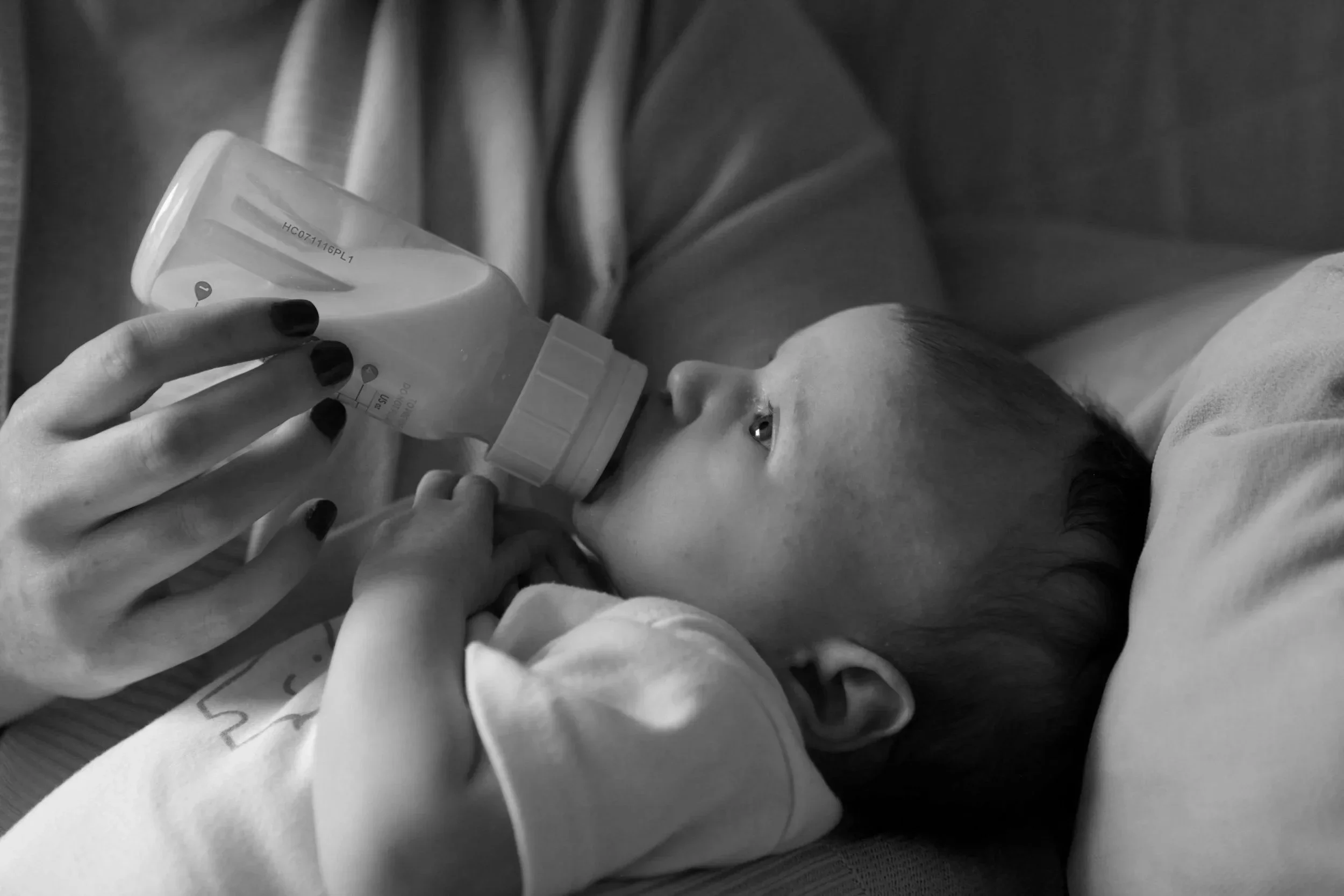
Can the Right Formula Help NAS Babies Heal Faster?
More and more babies are being born with Neonatal Abstinence Syndrome (NAS)—withdrawal symptoms from opioids used during pregnancy. Doctors in Ohio wanted to find better ways to help these babies feel better and leave the hospital sooner.
They already knew that non-medication care like skin-to-skin time, swaddling, quiet rooms, and safe breastfeeding helps. But they wondered if the type of formula given to babies who aren’t breastfed also makes a difference.