
Muscle & Motor Challenges in Opioid-Exposed Children: What Every Caregiver Should Know
When people think about the long-term effects of prenatal opioid exposure, they often think about learning, behavior, or attention. One area that is often overlooked is muscle and motor development.
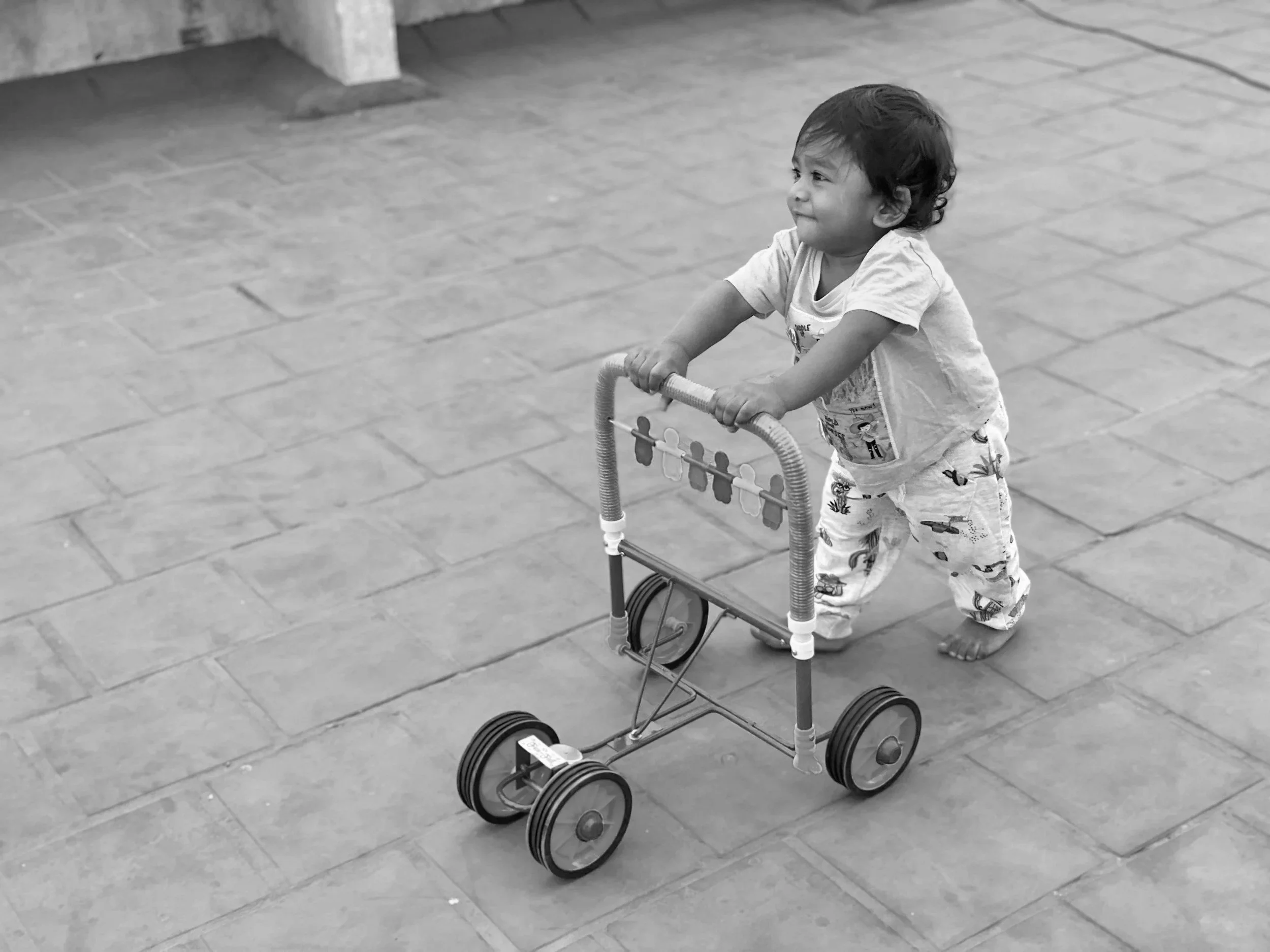
Children with prenatal opioid exposure may be more likely to experience differences in muscle tone, movement, coordination, and motor skills. These challenges can affect everything from feeding as an infant to writing, playing sports, getting dressed, and participating confidently in school.
As with all of the symptoms in the constellation, not every child will experience these challenges, but they are more common in opioid-exposed children.
Muscle Tone Conditions
Hypertonia (High Muscle Tone)
Hypertonia means a child's muscles are tighter than normal. Their muscles stay contracted even when they should be relaxed.
Children with hypertonia may:
Feel stiff when you pick them up
Have difficulty moving their arms or legs freely
Resist stretching during diaper changes or dressing
Walk on their toes
Have trouble with smooth, coordinated movement
In babies, hypertonia can make everyday tasks surprisingly difficult. Some caregivers describe struggling to get a baby's arm through a shirt sleeve because the shoulder muscles are so tight.
Hypotonia (Low Muscle Tone)
Hypotonia is the opposite of hypertonia. Instead of being too tight, the muscles are less firm and provide less support.
Children with hypotonia may:
Feel "floppy" when held
Tire easily
Have delayed milestones like sitting or walking
Struggle with posture
Have difficulty with balance
For infants, low muscle tone can also affect sucking and swallowing, making feeding more challenging.
Torticollis
Torticollis occurs when the muscles on one side of the neck become tight, causing a baby's head to tilt or turn to one side.
Signs may include:
A consistent head tilt
Preference for looking one direction
Difficulty turning the head equally both ways
Flattening on one side of the head from always resting in the same position
The good news is that early physical therapy is often very effective, especially when started in infancy.
Motor & Coordination Challenges
Gross Motor Delay
Gross motor skills involve the large muscles used for movement. A child with a gross motor delay may take longer to:
Roll over
Sit independently
Crawl
Walk
Run
Jump
Climb stairs
Some children eventually catch up, while others continue to benefit from physical therapy as they grow.
Fine Motor Delay
Fine motor skills involve the small muscles in the hands and fingers.
Children may have difficulty:
Holding a pencil
Using scissors
Buttoning clothing
Zipping jackets
Using utensils
Building with small blocks
Writing neatly
Fine motor challenges often become more noticeable once children enter school.
Poor Motor Planning (Dyspraxia)
Motor planning is the brain's ability to figure out how to move the body to complete a task.
A child with poor motor planning may:
Know what they want to do but struggle to make their body do it
Learn new physical skills more slowly
Have trouble copying movements
Seem awkward during sports or playground activities
Need extra practice with everyday tasks
In other words, despite the child’s effort, the brain struggles to organize movement.
Poor Coordination
Coordination challenges can affect many everyday activities.
Children may:
Trip frequently
Bump into furniture
Drop objects often
Have difficulty catching or throwing a ball
Struggle to ride a bicycle
Appear clumsy compared to peers
These differences can affect confidence as much as physical ability, especially in school or team sports.
Cerebral Palsy
Research is continuing to explore the relationship between prenatal opioid exposure and cerebral palsy. Current evidence suggests children with prenatal opioid exposure may have an increased risk, and this remains an active area of study.
Cerebral palsy is a group of movement disorders caused by differences in the developing brain that affect muscle control, posture, and movement.
Symptoms vary widely. Some children have very mild challenges, while others need significant support with mobility and daily activities.
Not every opioid-exposed child with motor difficulties has cerebral palsy, and many motor challenges occur independently of a cerebral palsy diagnosis.
Why Early Recognition Matters
Motor challenges affect much more than movement.
They can influence:
Feeding
Dressing
Handwriting
Play
Sports
Confidence
Independence
School participation
The earlier these differences are recognized, the sooner families can access therapies that help children build strength, coordination, and confidence. Earlier intervention can also lead to better long term outcomes.
What Can Help?
If you notice muscle or motor differences, talk with your child's healthcare provider about a developmental evaluation. Physical therapy (PT) and occupational therapy (OT) can play an important role in supporting muscle strength, coordination, movement, and everyday skills.
For young babies, opportunities for active movement—such as tummy time and being carried in an ergonomic baby carrier—can also help support healthy muscle development.
