

The Public School Districts’ Opioid Recovery Trust (PSDORT) is offering Phase 2 grants of up to $1,500,000 over three years to help districts better serve students harmed by the opioid epidemic.
PSDORT states that proposals serving students with disabilities born with Neonatal Opioid Withdrawal Syndrome (NOWS) will receive priority consideration.
Generation O can partner with districts seeking to build staff capacity, strengthen caregiver-school collaboration, and improve how schools understand and respond to the needs of students affected by prenatal opioid exposure.
Phase 2 proposals are due November 15, 2026.
Learn More
A New Funding Opportunity
for School Districts
Generation O is an independent nonprofit and possible district partner, not PSDORT itself.
Measuring What Matters.
Generation O’s District Improvement Partnership measures meaningful change for educators, caregivers, and students.
Build knowledge: Staff increase understanding and confidence in supporting students affected by prenatal opioid exposure.
Put learning into practice: Educators use practical, brain-based strategies that support regulation, learning, and participation.
Empower caregivers: Caregivers build knowledge, confidence, and skills to support their children and communicate with schools.
Strengthen family-school collaboration: Families and educators develop shared language and a clearer understanding of student needs.
Build lasting capacity: Districts develop internal expertise, resources, and practices that continue beyond the program.
Evaluation is intentionally practical and privacy-protective. Generation O uses surveys, participation data, implementation check-ins, and de-identified practice examples—no personally identifiable student information is required. The goal is simple: build adult capacity so more children receive the understanding and support they need to thrive.
What Partnering with Generation O Looks Like
-

FOR SCHOOL STAFF
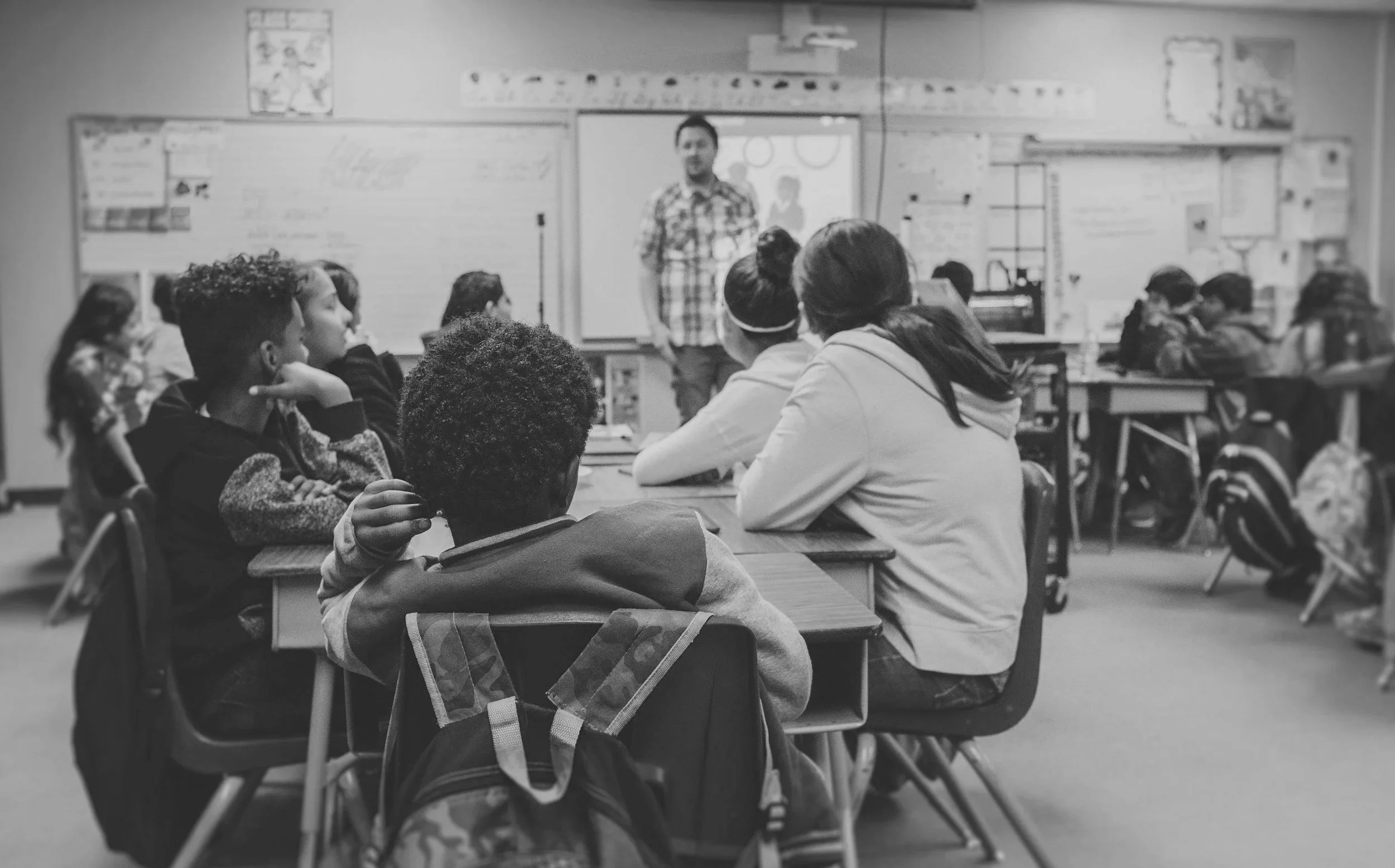
Up to 50 district staff participate in a year-long, interactive learning collaborative with 6–8 virtual sessions. Participants receive brief materials in advance, learn practical strategies, discuss real classroom challenges, and return to apply what they learned.
-

FOR CAREGIVERS
Families participate in Generation O’s three-month THRIVE Live program, which combines self-paced learning with weekly virtual group coaching. Caregivers build understanding of their child’s needs and strengthen communication with school teams.
-

TOGETHER
Staff and caregivers learn the same foundational concepts, apply them in different settings, and develop a shared language that supports more consistent responses to the child.
Generation O District Improvement Partnership: Supporting Students with Prenatal Opioid Exposure
Generation O provides virtual professional education, caregiver education, facilitated learning and problem-solving, consultation, and access to the perspective of its national community of caregivers raising children with prenatal opioid exposure.
The approach does not require districts to identify or label individual students based on prenatal exposure. Instead, it increases adults’ ability to recognize and respond to learning, regulation, sensory, executive-functioning, behavioral, and relational needs in ways that can benefit affected students and the broader school community.
Three-Year Scope of Services
-
Build Understanding and a Common Language
Generation O will:
Work with district leadership to identify priority audiences, existing knowledge gaps, and opportunities to integrate the work into current student-support and professional-development structures.
Provide foundational virtual education for teachers, special educators, psychologists, counselors, social workers, nurses, administrators, and other school personnel on prenatal opioid exposure and its potential effects on learning, regulation, attention, sensory processing, executive functioning, and behavior.
Provide caregiver education focused on understanding these children and strengthening communication with school teams.
Introduce practical, brain-based classroom approaches that can benefit students based on observed needs, even when prenatal exposure is unknown or undisclosed.
Establish shared terminology and concepts so families and school professionals can communicate more effectively.
Gather educator and caregiver feedback to identify recurring challenges and inform subsequent training and support.
-
Apply Learning to Real Classroom and Family Challenges
Generation O will:
Provide continued learning on priority topics identified through Year 1, including regulation, executive functioning, sensory needs, behavior, relationships, and learning.
Facilitate recurring virtual learning sessions in which participants bring real-world classroom or student-support challenges, explore possible underlying needs, discuss strategies, and return to practice with new approaches.
Provide ongoing consultation and technical assistance to participating educators, support professionals, and district leaders.
Continue caregiver education and create opportunities for caregivers and school professionals to develop shared approaches to common challenges.
Incorporate caregiver experience into professional learning, helping educators connect classroom observations with patterns families may see in other environments.
Identify practices and approaches participants report as most useful and support their broader adoption within the district.
-
Strengthen, Sustain, and Expand District Capacity
Generation O will:
Continue advanced and case-based learning while reducing reliance on introductory education.
Support district-designated staff and leaders in becoming internal champions for understanding and supporting students affected by prenatal opioid exposure.
Help the district identify practices, resources, and professional-learning content that should remain part of its ongoing student-support efforts.
Provide refresher education and consultation based on emerging district needs.
Continue caregiver engagement and strengthen mechanisms for incorporating family perspectives into school planning and support.
Review progress with district leadership and identify opportunities to sustain, expand, or replicate successful approaches across additional schools or partner districts.

IMPORTANT DOCUMENTS
Generation O is an independent nonprofit and possible district partner, not PSDORT itself.